For decades, psilocybin was largely dismissed in mainstream medicine. Known publicly as the psychoactive compound found in certain mushrooms, it was grouped more often with cultural controversy than clinical science. That picture is changing rapidly.
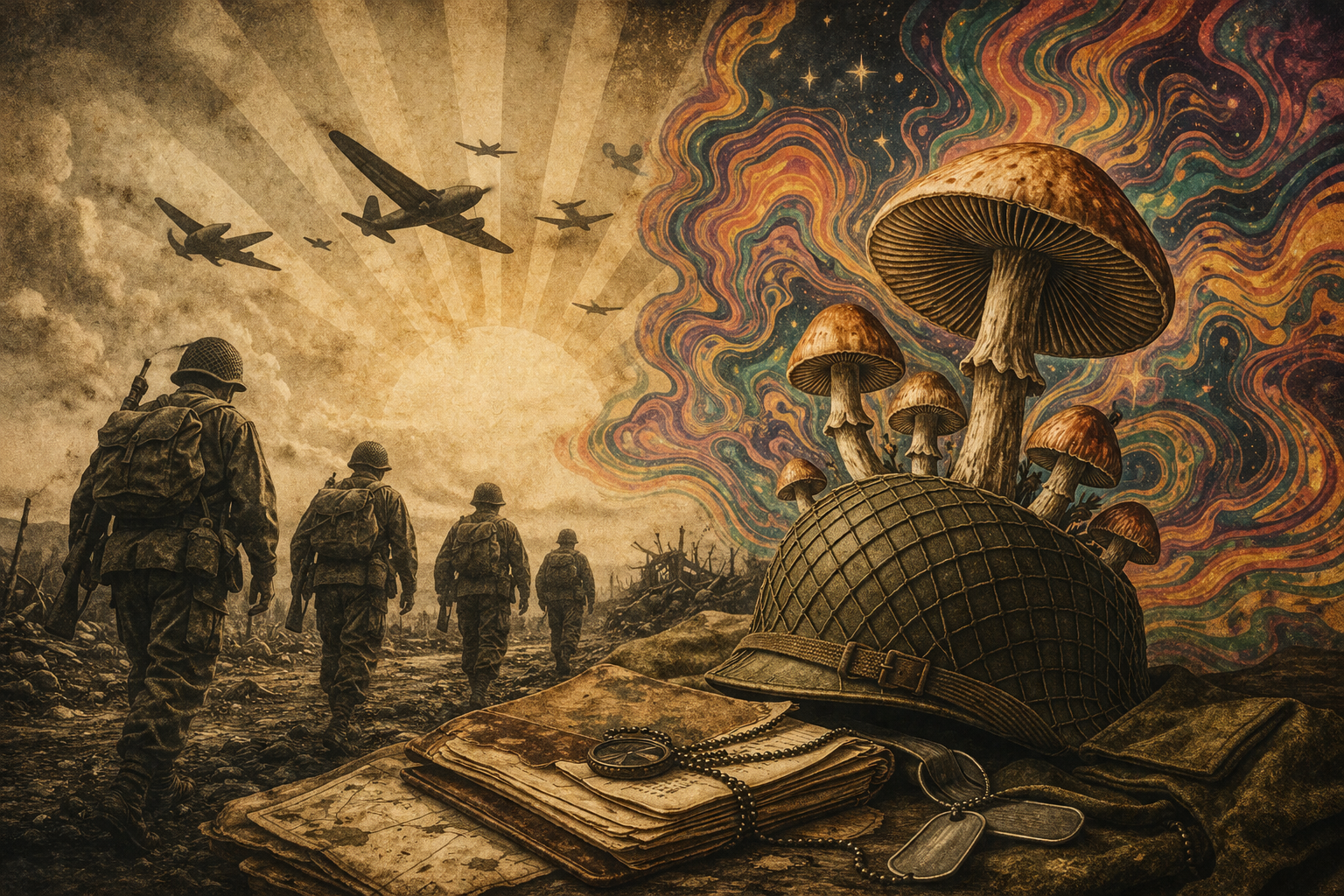
Today, psilocybin is being studied in universities, hospitals, veteran-focused programs, and regulated state systems as a potential tool for some of the most difficult mental health challenges facing society. For veterans living with PTSD, depression, traumatic brain injury, substance use disorders, and treatment-resistant conditions, the question is no longer whether the topic deserves serious attention. The real question is whether the science can move fast enough, safely enough, and rigorously enough to determine who these therapies may help—and who they may not.
Why Psilocybin Is Being Taken Seriously
Unlike traditional psychiatric medications that are often taken daily, psilocybin research typically involves a limited number of supervised sessions combined with psychotherapy. Researchers are not studying it as a casual wellness product or quick fix. They are examining whether, in carefully controlled clinical settings, it can help patients break entrenched patterns of trauma, depression, addiction, and emotional distress.
That distinction matters. The strongest advocates in the scientific community are not calling for reckless use. They are calling for better evidence, clearer safety standards, and responsible access if the data supports it.
Veterans and PTSD: A Critical Area of Research
The veteran community has become one of the most visible constituencies in the push for expanded psychedelic research. Many veterans continue to struggle with PTSD, depression, anxiety, sleep disorders, and alcohol misuse long after service. While traditional treatments help many people, others continue searching for options when symptoms remain severe or persistent.
That need has helped drive multiple ongoing studies.
One registered clinical trial is evaluating psilocybin-assisted psychotherapy for veterans with PTSD, specifically examining safety and effectiveness in a veteran population. Another study is investigating psilocybin with psychological support for military veterans living with both alcohol use disorder and PTSD—an important focus because trauma and substance use frequently overlap.
Another newer trial is studying psilocybin for veterans experiencing depression after limited success with conventional care, expanding the research beyond PTSD alone.
The U.S. Department of Veterans Affairs has publicly acknowledged growing interest in psychedelic-assisted therapies such as psilocybin and MDMA for PTSD, while emphasizing that more veteran-specific, diverse, and high-quality studies are still needed before broad conclusions can be made. That is the right balance: urgency without abandoning standards.
Department of Defense and Federal Momentum
Momentum is not limited to universities and nonprofits. The Department of Defense has also increased interest in psychedelic research for service-related conditions such as PTSD and traumatic brain injury.
In January 2026, a federal report noted that new funding recommendations were made for studies involving psychedelic compounds for military-relevant mental health conditions. These efforts included substances such as psilocybin, MDMA, ibogaine, and related therapies. While funding does not equal approval, it signals that the conversation has moved well beyond the margins.
Executive Orders and New Federal Signals
A major policy shift came on April 18, 2026, when President Donald Trump signed an executive order aimed at accelerating medical treatments for serious mental illness. The order directed federal agencies to speed review pathways, improve coordination, and support research into emerging therapies—including psychedelic treatments.
The policy drew particular attention because of its stated focus on veterans and people with severe mental illness who have not responded to standard treatment.
Days later, reports indicated that the FDA had moved to expedite review timelines for several psychedelic drug candidates, including psilocybin-based therapies for depression. Whether one agrees with the politics or not, the practical result is clear: federal barriers to research may be loosening.
ADHD, Autism, and Neurodivergence: Promise With Important Caveats
One of the most interesting and least understood areas of psychedelic research involves neurodivergent populations, including people with ADHD, autism, and related conditions. This is where caution is especially important.
At present, there is not strong evidence that psilocybin is an established treatment for ADHD or autism itself. Claims on social media often move far ahead of the data. But researchers are beginning to ask more sophisticated questions.
For autism, some trials are exploring how psilocybin interacts with serotonin systems and cognition in autistic adults. These studies are less about miracle cures and more about understanding brain function, sensory processing, emotional flexibility, and co-occurring mental health conditions.
Other research is examining psilocybin for treatment-resistant depression in autistic adults, which may be one of the most clinically relevant paths forward. Many autistic individuals experience anxiety, depression, burnout, or trauma-related distress, yet remain underrepresented in mental health research.
For ADHD, evidence remains preliminary and largely theoretical. Researchers are interested in attention regulation, rigid thought patterns, motivation systems, and emotional dysregulation—but large clinical trials are still needed. At this stage, the honest conclusion is that the science is emerging, not settled.That does not mean the topic lacks value. It means it deserves better research rather than louder speculation.
State Legislation Is Expanding the Map
While federal law still limits access, several states have moved ahead with regulated systems or medical frameworks.
Oregon became the first state to implement a legal psilocybin services model, allowing supervised administration in licensed settings.
Colorado followed with its own regulated approach.
New Mexico passed the Medical Psilocybin Act in 2025, creating a structured medical pathway for conditions including treatment-resistant depression, PTSD, substance use disorders, and end-of-life distress, with implementation still underway.
Recent legal analyses also note growing legislative activity in states such as Connecticut, Utah, Washington, and others exploring pilots, access models, or research pathways. Even where laws have not passed, the number of bills introduced shows the national conversation is accelerating.
The Need for Honest Expectations
Psilocybin is not risk-free. It is not for everyone. It may be inappropriate for people with certain psychiatric conditions, medical risks, or unstable environments. Even in promising studies, researchers stress the importance of screening, preparation, professional supervision, and post-session integration.
There is also a difference between a controlled therapeutic protocol and unsupervised self-experimentation. Confusing those two paths could harm patients and undermine legitimate science.
That is why the best path forward is neither fear nor hype. It is evidence.
What Comes Next
The next few years could be pivotal. If ongoing trials continue to show positive outcomes—and if regulators maintain rigorous standards—psilocybin may eventually become part of mainstream treatment options for select conditions.
For veterans, that possibility carries particular weight. Too many have cycled through treatments that only partially helped. Too many still struggle in silence. Research alone will not solve every mental health crisis, but it can open doors that have long been closed.
For neurodivergent communities, the future may be even more nuanced. The goal should never be to “fix” identity. It should be to better understand suffering, improve quality of life, and expand compassionate options for those who want help.
The story of psilocybin is still being written. What matters now is that it is being written in laboratories, clinics, peer-reviewed journals, and legislatures—not just in rumor and ideology.