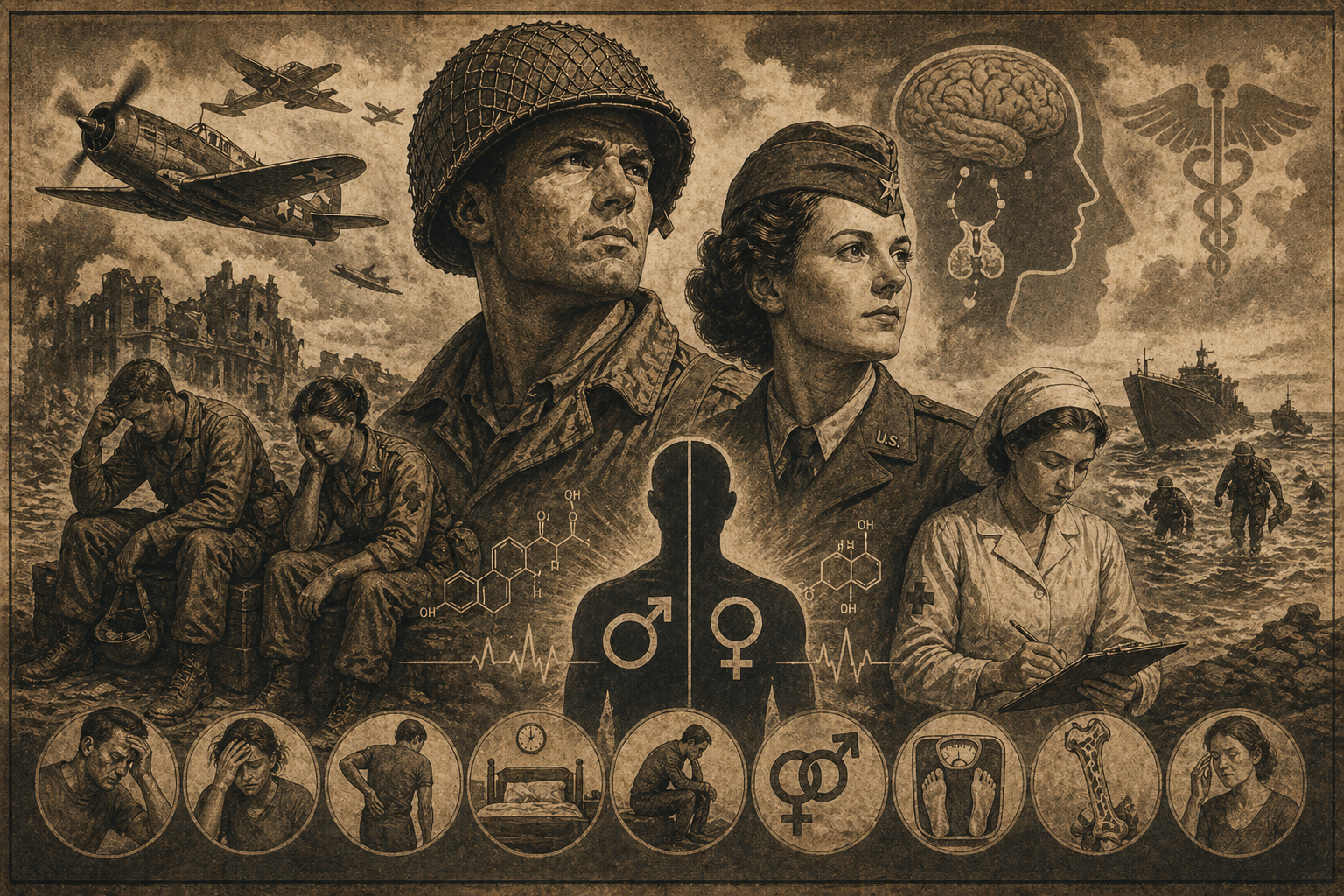
Hormone problems are often overlooked in the veteran community, but they can affect energy, sleep, weight, mood, sexual health, pain, brain fog, fertility, and long-term disease risk. For both men and women, military service can add unique stressors: combat stress, traumatic brain injury, chronic pain, opioid use, sleep disruption, PTSD, toxic exposure, and the physical demands of deployment.
For male veterans, one of the most common concerns is low testosterone, or hypogonadism. VA research notes that testosterone therapy should be based on symptoms plus repeated low morning testosterone levels, not just one lab result. A VA study found many veterans receiving testosterone therapy had not always received the recommended diagnostic workup beforehand. Symptoms can include fatigue, low libido, erectile dysfunction, depression, loss of muscle mass, weight gain, poor concentration, and reduced motivation.
Several veteran-specific risk factors may contribute. Traumatic brain injury can affect the pituitary system, which helps regulate testosterone and other hormones. Research in veterans and service members has connected TBI with persistent hypogonadotropic hypogonadism and neuroendocrine dysfunction. Long-term opioid use, often tied to chronic pain, is another major concern because opioids can suppress testosterone production; a Veterans Health Administration cohort studied testosterone treatment among long-term opioid users with low testosterone.
For women veterans, menopause deserves more attention than it gets. VA and women’s health researchers have found that women veterans may experience earlier or more intense menopause symptoms due to military-related stressors, PTSD, chronic pain, military sexual trauma, and environmental exposures. A 2024 study found military sexual trauma was strongly associated with clinically significant menopause and mental health symptoms among midlife women veterans. VA research has also found women veterans with menopause symptoms or menopausal hormone therapy use were more likely to report chronic pain and, in some cases, higher-risk opioid prescriptions.
Toxic exposure may also play a role. Veterans from the Gulf War and Global War on Terror may have been exposed to burn pits, oil-well fires, pesticides, solvents, jet fuel, heavy metals, contaminated water, and other hazards. VA recognizes that Gulf War veterans may have faced multiple environmental and chemical exposures, and the PACT Act expanded VA health care and benefits for veterans exposed to burn pits, Agent Orange, and other toxic substances. Some toxins can act as endocrine disruptors, meaning they may interfere with hormone systems, thyroid function, fertility, metabolism, or hormone-sensitive cancers. A 2025 Gulf War Era Cohort Study examined military exposures and possible early menopause among women Gulf War veterans, showing this is becoming a serious area of veteran-focused research.
Treatment should start with proper testing and a full health picture. For men, that usually means discussing symptoms, checking morning testosterone more than once, and looking at related labs such as thyroid function, prolactin, LH/FSH, vitamin D, metabolic markers, sleep apnea risk, medications, alcohol use, and mental health. For women, menopause care may include evaluation for hot flashes, sleep disruption, mood changes, vaginal/urinary symptoms, bone density, cardiovascular risk, thyroid problems, pain, and trauma-related symptoms.
Alternative and supportive remedies may help, but they should not replace medical evaluation. Veterans may benefit from resistance training, improved sleep, weight management, reducing alcohol, treating sleep apnea, nutrition support, stress reduction, mindfulness, acupuncture, yoga, pelvic floor therapy, cognitive behavioral therapy for insomnia, and trauma-informed counseling. Some supplements marketed for “hormone balance” can interact with medications or carry risks, so veterans should review them with a VA clinician before use.
Resources for Veterans
- VA Toxic Exposure Screening and Military Environmental Exposure Assessment
- VA PACT Act Benefits and Eligibility
- VA Women’s Health Services and Menopause Care
- VA Gulf War Registry Health Exam
- VA Airborne Hazards and Open Burn Pit Registry
- VA Endocrinology, Primary Care, Mental Health, Whole Health, and Pain Management Programs
- The War Related Illness and Injury Study Center
- Veterans Service Organizations such as DAV, VFW, American Legion, and AMVETS for claims and benefits guidance
Get the Care
Hormone health is not just a “men’s issue” or a “women’s issue.” It is a readiness, recovery, and quality-of-life issue. Veterans dealing with fatigue, brain fog, low libido, sleep problems, mood changes, hot flashes, chronic pain, weight changes, or unexplained health shifts should not write it off as aging or stress alone. The right testing, the right provider, and the right documentation can help veterans understand what is happening—and get the care they earned.